Spence's signaling model updated for AI: when the cost of educational signaling collapses to near-zero, what genuine intellectual skill looks like and how to build it.
A short story: after AI eliminates first labor and then thought itself, an old man explains to a child why beauty matters — and what is lost when making things costs nothing.
Game theory applied to third-party voting: why winner-takes-all systems punish independent votes, and what Nash equilibrium says about whether voting for RFK is ever strategically rational.
On the limits of RCT-based development economics: why experimental methods work at village scale but struggle to inform national policy, and what external validity actually requires.
On the generational arithmetic of class mobility: from a father who studied war and sailing to children who might study art, and the hidden scorecard of modern class signaling.
Arsenal's left-back crisis as a mirror of a league-wide problem: why the position has declined since the wing-back era, and why only Robertson and Davies remain true exceptions.
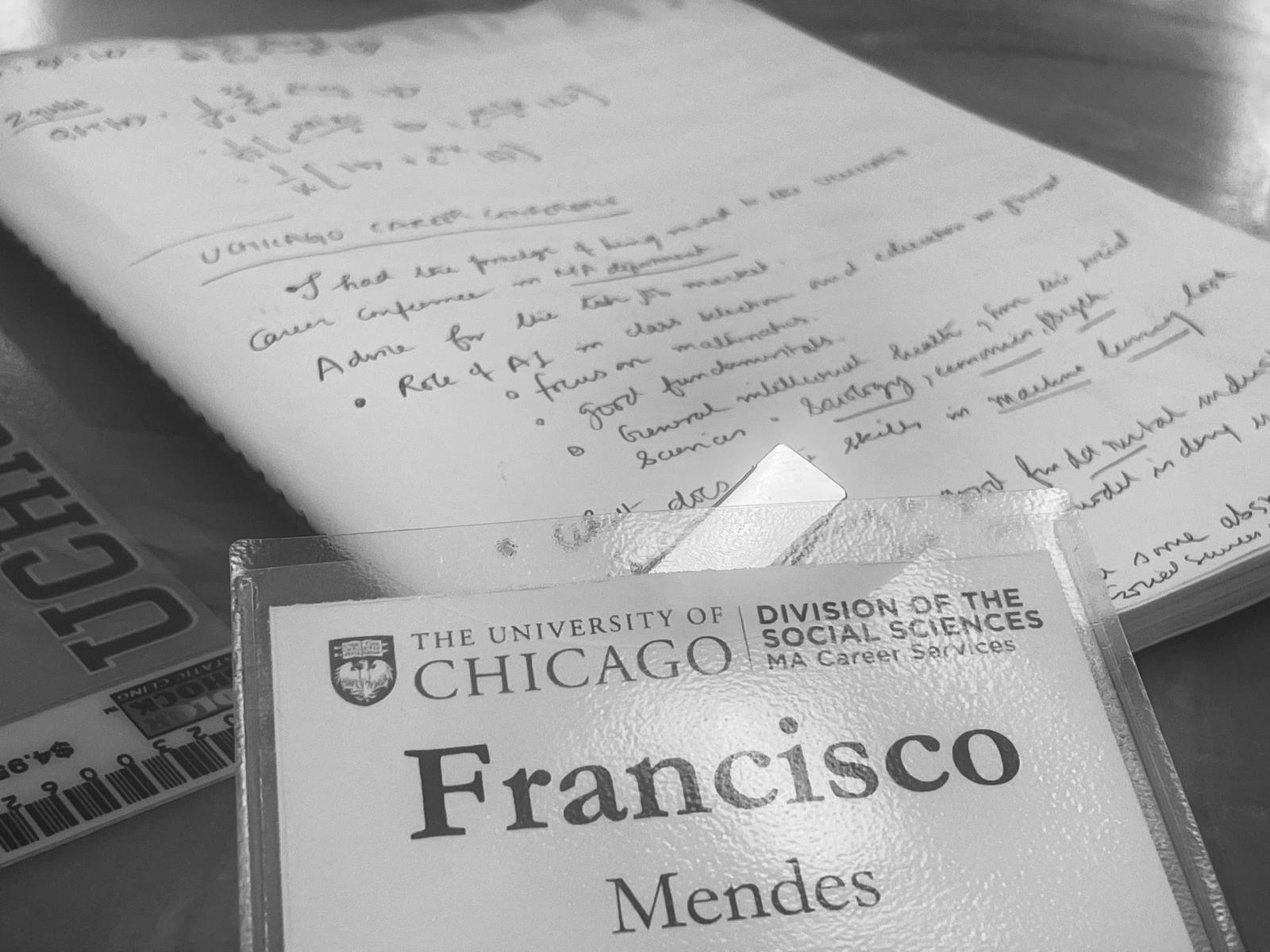
Q&A on the MACSS Economics program at UChicago: the path from computational social science to ML engineering, what the degree prepared me for, and what I would do differently.
This essay delves into the intricate tapestry of debate surrounding the concept of free will, examining the perspectives of determinism, the enigma encapsulated by the 'hard problem' of consciousness, the role of randomness, and the computational attributes characterizing the human mind.